Most supplement brands don’t want you to look too closely. They hide behind proprietary blends, token doses, and labels designed to impress rather than inform. We think that’s backwards. If you’re putting something in your body every day, you deserve to know exactly what it is, how much is in there, and whether the evidence supports it.
This is the full breakdown of both Good Dad formulas, AM and PM. Every ingredient, every dose, every piece of reasoning. Where we’ve hit clinical doses, we’ll tell you. Where we haven’t, we’ll tell you that too, and explain why. No hiding. No spin.
The AM Formula: Cognitive Fuel
Two capsules with breakfast. Twelve ingredients. Designed for sustained energy, focus, and stress resilience through the demands of the day.
Rhodiola Rosea, 200mg (standardised: 3% rosavins, 1% salidrosides)
What it does: Rhodiola is an adaptogen. It helps your body modulate its stress response so cortisol doesn’t spike as hard or crash as deep. It supports mental performance under fatigue and helps maintain cognitive function when you’re sleep-deprived or under sustained pressure.
The evidence: A study of 100 subjects with chronic fatigue found that 400mg of standardised extract showed the greatest improvement after just one week, with continued benefits over eight weeks. Multiple studies using 200-680mg daily for 2-6 weeks have shown improved mood, cognitive performance, and attention in fatigued individuals.
Our dose: 200mg sits at the lower end of the clinical range (200-600mg), but it’s a validated dose using the same standardised extract (3% rosavins, 1% salidrosides) used in the fatigue research. We could have gone higher, but capsule space is finite and we prioritised the combined formula over maxing out any single ingredient.
Status: Clinical dose (lower end).
Lion’s Mane Mushroom, 200mg (10:1 fruiting body extract)
What it does: Lion’s Mane contains hericenones and erinacines, bioactive compounds that stimulate nerve growth factor (NGF) synthesis. NGF supports neuroplasticity, the brain’s ability to form and reorganise connections. In practical terms: cognitive clarity, learning capacity, and neural resilience.
The evidence: A study of 41 healthy adults taking 1.8g daily for 28 days showed faster cognitive performance. A 16-week trial in older adults with mild cognitive impairment found significantly improved cognitive scores. A systematic review of 26 studies confirmed neuroprotective and antioxidant properties.
Our dose: 200mg of 10:1 extract is equivalent to roughly 2,000mg of raw mushroom. The clinical studies used 1,000-3,000mg of extract, meaning we’re below the doses used in the most robust trials. This is an honest trade-off. To hit full clinical doses of Lion’s Mane alongside everything else in this formula would require 4-5 additional capsules per day. We chose a practical daily ritual over a theoretically perfect dose nobody would stick to.
Status: Supportive (concentrated adaptogenic support).
Cordyceps Mushroom, 200mg (4:1 fruiting body extract)
What it does: Cordyceps supports energy metabolism at the cellular level, primarily through enhanced ATP production and oxygen utilisation. It’s used for sustained physical and mental energy rather than stimulant-like spikes.
The evidence: A 12-week trial found that elderly subjects taking 333mg three times daily showed a 10.5% increase in metabolic threshold. A three-week study at 4g daily showed significant improvements in VO2max and time to exhaustion. Research has also demonstrated increased cellular ATP levels and activation of AMPK energy pathways.
Our dose: 200mg of 4:1 extract is equivalent to roughly 800mg raw. Clinical studies typically use 1,000-4,000mg. Like Lion’s Mane, this is a supportive dose, meaningful, concentrated, but below what you’d see in single-ingredient clinical trials. The same trade-off applies: a practical system that covers multiple pathways vs. mega-dosing one ingredient at the expense of the formula.
Status: Supportive (concentrated adaptogenic support).
N-Acetyl-L-Tyrosine (NALT), 200mg
What it does: NALT is a precursor to dopamine, norepinephrine, and epinephrine, the neurotransmitters that drive motivation, alertness, and mental clarity. The N-Acetyl form crosses the blood-brain barrier more effectively than standard L-Tyrosine, which matters for actual cognitive benefit.
The evidence: A military review of 10 randomised controlled trials found tyrosine supplementation effective at mitigating cognitive decline during stress exposure. A sleep deprivation study found that 150mg/kg (roughly 10-12g for a typical adult) significantly improved psychomotor performance and reduced vigilance lapses for approximately three hours. Standard supplemental doses (300-500mg) are lower than acute-stress study doses but follow the same mechanistic pathway.
Our dose: 200mg is a supportive dose. The cognitive benefits under stress operate on a spectrum, and you get more with more, but 200mg provides meaningful precursor support, particularly in the context of the broader formula where multiple pathways are being supported simultaneously.
Status: Supportive.
L-Theanine (AM), 150mg
What it does: L-Theanine promotes alpha brain wave activity, the pattern associated with calm, focused alertness. It’s the reason a cup of tea feels calming despite containing caffeine. In the AM formula, it provides the focus component without the jitters: mental clarity without overstimulation.
The evidence: A systematic review found L-Theanine effective for stress and anxiety management at 200-400mg daily. A randomised controlled trial found significant improvements in depression, anxiety, and sleep quality at 200mg per day over four weeks. Good Dad delivers 400mg total daily (150mg AM + 250mg PM), which sits squarely in the clinical sweet spot.
Our dose: 150mg in the AM formula, combined with 250mg in the PM formula, totals 400mg daily, the upper end of the clinically studied range. This is a full therapeutic dose.
Status: Therapeutic dose (combined daily total).
Coenzyme Q10, 100mg (Ubiquinone)
What it does: CoQ10 is essential for mitochondrial ATP production, literally how your cells generate energy. Levels naturally decline with age and are further depleted by chronic stress. It also functions as a powerful antioxidant.
The evidence: A meta-analysis of 13 randomised controlled trials involving 1,126 participants found that CoQ10 significantly reduced fatigue scores, with a clear dose-response relationship. The Q-SYMBIO trial of 420 patients demonstrated improved outcomes at 100mg three times daily over two years.
Our dose: 100mg sits at the lower end of the clinical range (100-400mg). Higher doses show greater effect, but 100mg is a validated starting point with consistent evidence for fatigue reduction.
Status: Clinical dose (lower end).
The AM Vitamin Complex
Vitamin D3, 25mcg (1,000 IU): Essential for immune function, bone health, and testosterone support. A 12-month trial found that vitamin D supplementation in deficient men significantly increased total testosterone levels. The 25mcg dose aligns with standard recommendations, particularly relevant for UK fathers with limited sun exposure.
Vitamin K2 (MK-7), 100mcg: Works synergistically with D3 for calcium metabolism. MK-7 has superior bioavailability and a longer half-life than the MK-4 form. Included to ensure D3 supplementation is properly directed.
Vitamin B6 (P5P), 4.5mg: The active form of B6. Most supplements use pyridoxine, which your body must convert. P5P bypasses this conversion entirely. Essential for neurotransmitter synthesis: serotonin, dopamine, GABA production all require adequate B6.
Folate (5-MTHF), 400mcg: The active form of folate. Roughly 40% of the population carries the MTHFR gene variant that makes converting synthetic folic acid inefficient. 5-MTHF is body-ready regardless of your genetics.
Vitamin B12 (Methylcobalamin), 250mcg: The active form of B12. Most supplements and fortified foods use cyanocobalamin, which requires conversion. Methylcobalamin is immediately usable for methylation, energy metabolism, and nervous system support.
BioPerine (Black Pepper Extract), 2.5mg: A patented absorption enhancer. Inhibits intestinal glucuronidation, which means your body absorbs more of every other ingredient. Studies show it can increase CoQ10 absorption by 30% and various other nutrients by similar margins.
Status: All at appropriate doses per NRV guidance, in bioavailable forms.
The PM Formula: Deep Recovery
Two capsules before bed. Nine ingredients. Designed for sleep quality, natural melatonin production, stress unwinding, and overnight recovery.
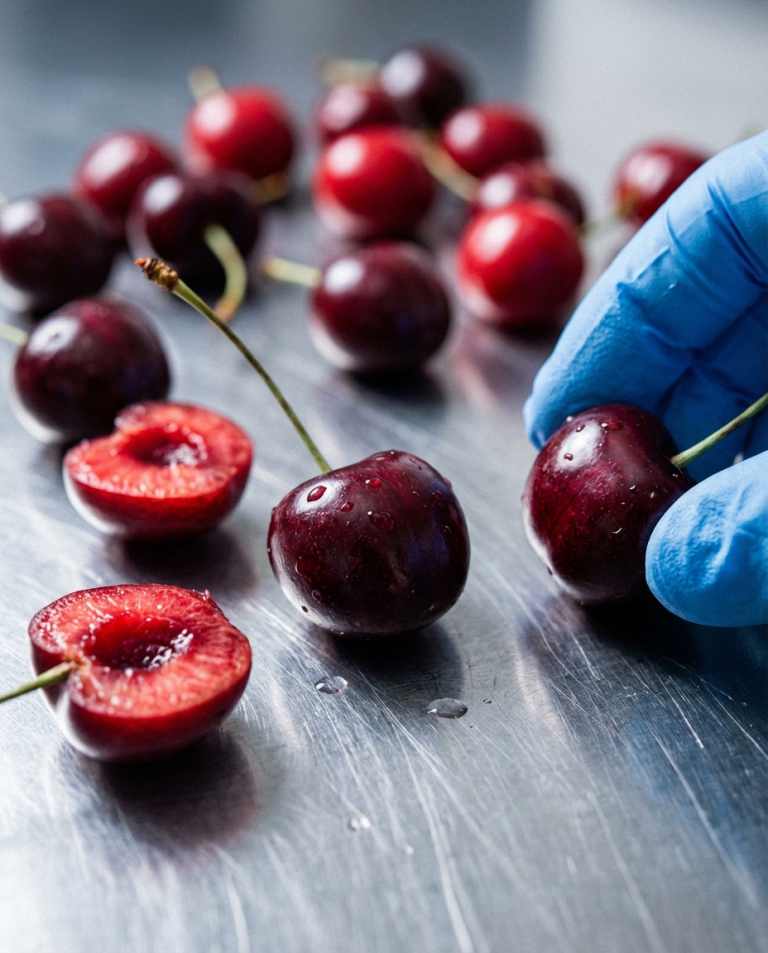
Montmorency Tart Cherry, 400mg (10:1 extract)
What it does: Tart cherries contain natural melatonin and procyanidins that support sleep quality. Unlike synthetic melatonin, which can suppress your body’s own production over time, tart cherry works with your natural melatonin pathway. The procyanidin B-2 compound inhibits an enzyme called IDO, potentially increasing tryptophan availability for natural melatonin synthesis.
The evidence: A seven-day study found that tart cherry concentrate produced significant increases in both sleep time and sleep efficiency, with measurably elevated urinary melatonin. A two-week pilot study confirmed increased sleep time and efficiency through the IDO inhibition pathway. A systematic review of seven studies found three showing significant sleep improvements.
Our dose: 400mg of 10:1 extract is equivalent to roughly 4,000mg of raw cherry. Clinical studies typically used 480-500mg of powder or 30-60ml of concentrate. We’re close to the clinical range with a concentrated form that delivers the active compounds efficiently.
Status: Clinical (near range).
L-Theanine (PM), 250mg
What it does: In the PM context, L-Theanine serves a different role than the AM dose. Here, it’s about calming the nervous system for sleep rather than supporting daytime focus. It promotes the alpha brain wave activity that characterises the transition from wakefulness to sleep, helping your mind actually switch off.
The evidence: The same body of evidence applies, with 200-400mg daily across multiple trials showing improvements in sleep quality and stress reduction. The PM dose (250mg) plus the AM dose (150mg) totals 400mg daily, at the top end of the clinical range.
Our dose: 250mg in the PM formula. This is a full therapeutic dose on its own, and the larger share of the daily 400mg total is deliberately weighted towards evening because that’s when the calming effect matters most.
Status: Therapeutic dose.
Lemon Balm, 250mg (4:1 extract)
What it does: Lemon Balm (Melissa officinalis) modulates GABA-transaminase and acts through GABAergic, cholinergic, and serotonergic pathways. In plain English: it helps your nervous system downshift. It’s a traditional anxiolytic herb with growing clinical evidence for anxiety, mood, and sleep quality.
The evidence: A three-week trial found that 400mg daily produced significant improvements in depression, anxiety, stress, and quality-of-life scores. A meta-analysis found lemon balm significantly improved both anxiety and depression versus placebo. A pilot study using 600mg of standardised Cyracos extract found significantly reduced anxiety symptoms in 15 days.
Our dose: 250mg of 4:1 extract is equivalent to roughly 1,000mg of raw leaf. Clinical studies typically used 300-600mg of standardised extract. We’re near the lower end of the clinical range, not fully there, but meaningful.
Status: Near-clinical.
L-Tryptophan, 220mg
What it does: L-Tryptophan is an essential amino acid and the precursor to serotonin and melatonin. Your body converts it through a natural pathway: Tryptophan > 5-HTP > Serotonin > Melatonin. This supports natural sleep onset without the rebound effects or dependency associated with synthetic melatonin.
The evidence: A review of 40 controlled studies over 20 years concluded that L-Tryptophan at 1g or more increases subjective sleepiness and decreases sleep latency. A key finding: even 250mg significantly increased deep (Stage IV) sleep. A meta-analysis found that Tryptophan supplementation shortened time awake after sleep onset by over 80 minutes per gram. A review of 11 randomised controlled trials found that 0.14-3g daily improves mood and decreases anxiety.
Our dose: 220mg is the UK regulatory maximum for food supplements. Clinical studies typically use 250mg to 1g. We’re at the legal ceiling and near the clinical threshold for deep sleep enhancement. This is one of those cases where regulatory constraints, not formulation choices, determine the upper limit.
Status: Clinical (at UK legal maximum, near threshold).
Zinc Picolinate, 15mg
What it does: Zinc is essential for testosterone synthesis, immune function, and cognitive performance. The picolinate form offers significantly better absorption than the oxide or gluconate forms found in most supplements. Zinc levels are depleted by stress and poor sleep, both of which are baseline conditions for most fathers.
The evidence: A systematic review of 38 papers confirmed that zinc deficiency reduces testosterone and supplementation improves levels. A landmark study found that older men with marginal zinc deficiency doubled their testosterone levels after six months of supplementation. The form matters: picolinate is consistently shown to have superior bioavailability compared to oxide and gluconate.
Our dose: 15mg of elemental zinc via picolinate, consistent with NRV recommendations. Not a mega-dose, just enough to offset what chronic stress is depleting, in a form your body can actually use.
Status: Appropriate per NRV guidance.
Supporting PM ingredients
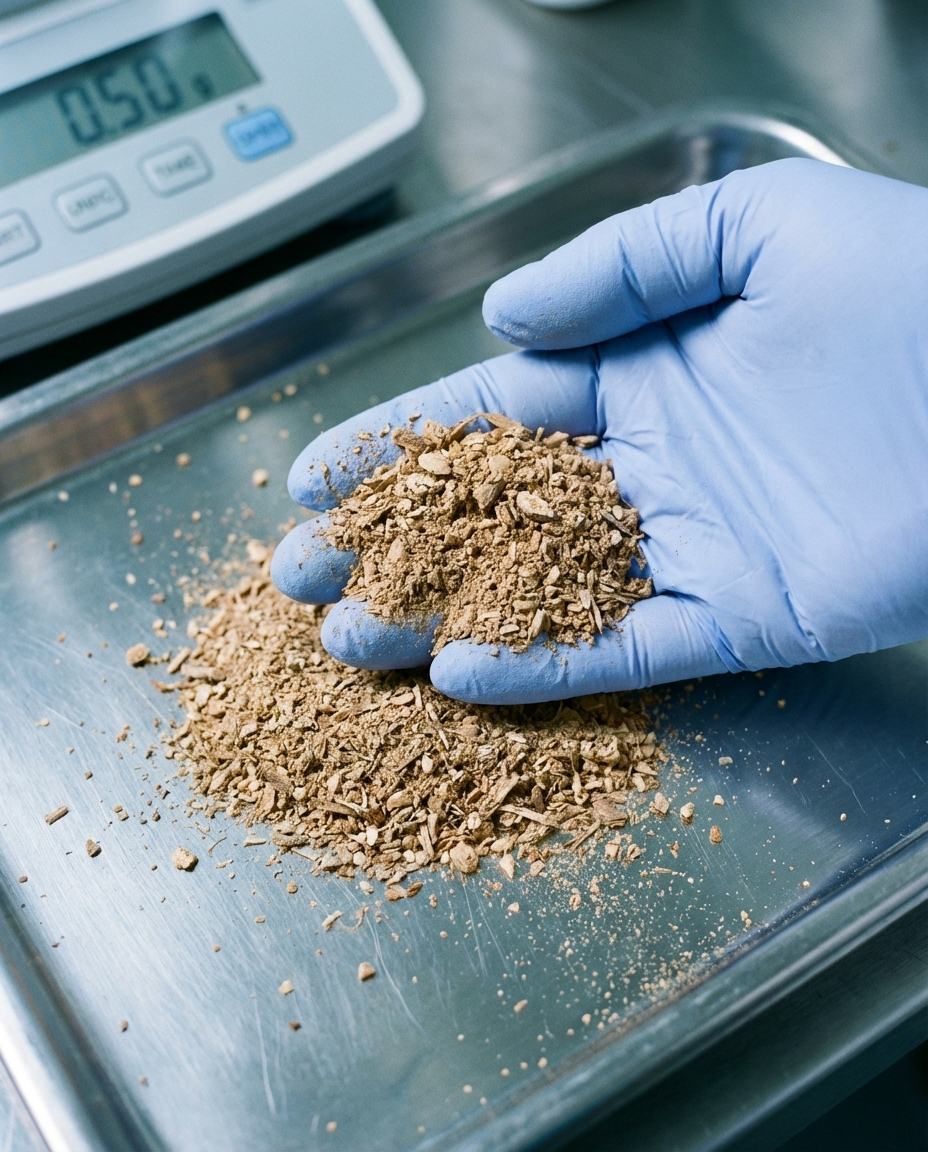
Ginger Root, 50mg (10:1 extract, 5% gingerols): Equivalent to roughly 500mg raw ginger. Supports digestive comfort and has anti-inflammatory properties via gingerol and shogaol compounds. Included for gut-level support during overnight recovery. Research confirms anti-inflammatory effects through TNF-a and COX-2 inhibition. Status: Supportive.
Chamomile Flower, 40mg (10:1 extract): Equivalent to roughly 400mg raw chamomile. Contains apigenin, which binds to benzodiazepine receptors and modulates GABAergic function. A meta-analysis of 10 studies with 772 participants found significant improvement in sleep quality scores, particularly for reducing nighttime awakenings. Status: Supportive.
Vitamin B6 (P5P), 4.5mg: Second dose of active-form B6, bringing the daily total to 9mg. Essential for the Tryptophan > Serotonin > Melatonin conversion pathway. Without adequate B6, even optimal Tryptophan levels can’t be fully converted. This is deliberate synergy: ingredients that support each other’s mechanisms.
Copper Bisglycinate, 1mg: Included specifically to balance the zinc in the PM formula. Zinc supplementation can deplete copper over time, and the 15:1 zinc-to-copper ratio ensures this doesn’t happen. Bisglycinate is a gentle, well-absorbed chelate form.
The trade-offs we made
Honesty requires us to acknowledge what this formula isn’t. Two capsules, twice a day, four capsules total, impose real physical constraints. Each capsule holds roughly 500mg of ingredients. That gives us approximately 2,000mg across both formulas to work with.
To hit full clinical doses of every single ingredient would require 8-10 capsules per day and would cost significantly more to manufacture. We made a deliberate decision: build a practical system that covers multiple pathways at meaningful doses rather than a theoretically perfect formula that nobody sticks with.
The ingredients at therapeutic or clinical doses, L-Theanine, Rhodiola, Tryptophan, CoQ10, Tart Cherry, are the ones with the strongest evidence for the specific problems fathers face: energy, sleep, stress resilience, and cognitive function.
The supportive ingredients, Lion’s Mane, Cordyceps, NALT, Lemon Balm, contribute to the formula’s breadth. They’re concentrated, they’re meaningful, but they’re honest about where they sit relative to single-ingredient clinical trials.
We believe this is the right trade-off. A supplement you actually take every day at a price you can sustain is infinitely more effective than a perfect formula gathering dust in your cupboard.
Why we don’t use proprietary blends
A proprietary blend lists ingredients without disclosing individual doses. The label might say “Energy Blend: 800mg” and list six ingredients underneath, but you have no idea how much of each you’re getting. It could be 790mg of the cheapest filler and 10mg of everything else.
Brands use proprietary blends for one reason: it’s cheaper. You can put a premium ingredient on the label without putting a premium dose in the capsule. The customer sees the name and assumes they’re getting a meaningful amount. Usually, they’re not.
Every ingredient in Good Dad has its dose printed on the label. Every one. If we were ashamed of a dose, we’d leave it out of the formula, not hide it behind marketing language.
67% of the fathers in our survey said evidence of efficacy was the most important factor in their purchasing decision. 44% said transparency. This formula is built for that audience. Not the audience that buys on impulse, but the one that reads labels, compares doses, and wants to know exactly what they’re paying for.
Now you know.